
By Debbie Gardner
dgardner@thereminder.com
There’s no question that right now, menopause is having a moment.
There are influencers on TikTok talking about their perimenopause journeys, podcasters devoting entire seasons of shows to the subject, myriad Instagram posts about how to cope with the change, and online medical sites offering symptom-soothing treatments from their expert doctors.
Heck, there was even a musical written about it a few years back.
Yup, it’s not “The Change” that our mothers and grandmothers endured, where symptoms were mostly ignored by modern medicine and advice was offered word of mouth, often uttered in hushed tones.
Maybe all this attention is a good thing as, with longer lifespans women are experiencing the symptoms and aftereffects of this hormonal shift for a greater part of their lives. But sorting through the facts, and the hype, can sometimes seem insurmountable.
One pioneering women’s health advocate, however, has found a way to help women navigate the onslaught of information, as well as the flood of symptoms that can occur during this time in their lives.
Dr. Mary Claire Haver’s book, “The New Menopause – Navigating Your Path Through Hormonal Change with Purpose, Power and Facts” walks women though the history of “The Change,” from the story of menopause medicine to the facts about menopause that doctors don’t know, or don’t tell you, to symptoms – and solutions – that can help women lead a healthier, more vibrant life during peri and menopause, and in the years that follow.
Looking at the book
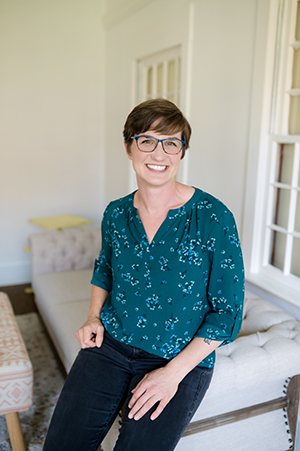
Board certified women’s health nurse practitioner and certified sexuality counselor Kelly Tull, owner of Venus Collective Women’s Health and Intimacy of East Longmeadow, MA, shared Haver’s insights, and advice with a group of women during a book discussion at the East Longmeadow Library in late January. She summarized important points from her practice, and the book, and offered insights into ways to find help coping with this life-changing event.
“Women don’t know where to go, what to do … they feel like they are going through this alone,” Tully said of the experiences she’s heard from her patients. Those experiences can range from classic menopause symptoms such as hot flashes, brain fog and sleep disturbances to less well-known change indicators such as itchy ears, frozen shoulder and muscle loss.
Haver’s book, she said, offers women a lifeline both of understanding and validation, and of practical advice for coping with the impact of declining hormones on every aspect of their wellbeing.
“Menopause is inevitable, but suffering is not, “Tully quoted from the book.
Tully explained that for many women, pinpointing the beginning of perimenopause –which can start anytime from mid-30s to mid-40s, depending on factors such as family history – is difficult because there is no standardized test. Some women don’t have the classic symptoms, which makes it even harder for doctors who are not menopause specialists to diagnose the condition.
Even hormone tests can be unreliable, Tull said, as levels can be normal one week, and very high or very low a few days later, meaning the snapshot test is far from the whole picture of what’s happening in a woman’s body.
With only about 20% of obstetrics/gynecology residents getting any level of menopause training, it’s easy to see why so many women feel dismissed when presenting symptoms and health issues, Tull pointed out. She referred to the moniker of “WW” or whining woman that has traditionally been attached to those who came into doctor’s offices complaining of what we now know are menopause symptoms as evidence of this lack of understanding.
During her own nurse practitioner training, Tull said she remembered extensive information on pregnancy and gynecology, but scant coverage on aspects of menopause and perimenopause.
Tull said she, herself, began experiencing what she believed were perimenopause symptoms at about age 37, and chose to try the naturopathic route, hoping for a better outcome than what medicine was offering at the time.
Her experience included “testing that didn’t give any real answers” and an investment in supplements that “didn’t work.” At 40, following extensive research, she’s managing her symptoms with a low-dose estrogen patch.
Tull’s goal now, with the talk and with her practice, is to “provide as much education as possible” to women experiencing the same frustration and lack of answers.
It’s all about the hormones
Though menopause has been observed in women for millennia, it wasn’t until the late 1800s and early 1900s that medicine began to associate the symptoms with a woman’s endocrine system and the ovaries, according to Haver in “The New Menopause.”
The first foray into hormone replacement for women, Tull said, came with the grinding of ovarian tissue, which was placed into capsules and given to women to treat hot flashes and low libido. The development of estrogen replacements such as Emmenin, originally derived from placentas and the urine of pregnant women in the 1930s, and Premarin, derived from the urine of pregnant horses, in the 1940s, began what Haver describes – and most women know – as the seesaw of opinion on the use of hormone-based treatments to mitigate menopausal symptoms.
Tull said it was studies such as the Women’s Health Initiative, which in 2002 evaluated if estrogen use could help prevent cardiovascular disease in older women and in some subjects resulted in a slight increase in breast cancer risk, that brought the widespread use of hormone replacement to treat menopausal symptoms into question for over 20 years.
Today, Tull explained, medicine understands that the cluster of familiar – and unfamiliar – symptoms associated with perimenopause and menopause are related to the declining levels of three hormones in a woman’s body – progesterone, testosterone, which is also produced by a woman’s ovaries and declines over her lifetime, and most especially, estrogen – and that there are myriad hormone-based treatments available to help alleviate a woman’s symptoms.
From estrogen creams, gels, sprays, rings and patches to oral and injectable estrogen/progesterone combinations to progesterone creams, patches, injections and IUDs to off-label testosterone in gel and creams, there are options to mitigate nearly every issue and symptom.
“We have hormone receptors throughout our bodies,” Tull said of the complex way this trio of hormones affects a woman’s wellbeing, adding the most common symptom of perimenopause and menopause are “I just don’t feel like myself anymore.”
The problem, Haver points out, is finding a health practitioner who is versed, and specializes in, menopausal care.
Treatments and timing
Tull said most menopause specialists agree that as long as the benefits outweigh the risks, a woman should start hormone replacement therapy in the form appropriate for her, as soon as symptoms start.
For those who have already reached menopause, the recommendation for the use of most hormone replacement products is to start within 10 years of the last period, though there are practitioners who are comfortable prescribing hormone replacement therapy after the 10-year mark as log as the benefits outweigh the risks for a patient.
One exception to the 10-year rule is vaginal estrogen.
“Every woman can use that,” Tull said, adding that vaginal estrogen cream is useful in treating “vaginal dryness, pain with sex, UTIs, urgency and incontinence.” The latter three symptoms are part of genitourinary syndrome of menopause, where UTIs get worse with age, Tull added.
Progesterone, which must be used with oral estrogen to prevent a buildup of the uterine lining, can also help with other peri-and menopausal symptoms such as sleep disturbance and anxiety, Tull said. Forms for this hormone include oral medication, IUD and patch.
Testosterone, which can help with low libido as well as sleep disturbances, muscle loss (sarcopenia) and mood, and vaginal dryness if estrogen is not working, is prescribed for women as off-label use in the U. S., Tull said.
“There are only two options, take a male dose and split it into 10 doses, or rub (testosterone gel) on the skin,” Tull said. She does not recommend the subcutaneous pellet dosing, as that can result in an overdose of the hormone.
When it comes to using estrogen for treating symptoms, Tull said the patch offers less risk and helps to keep hormone levels more stable. When using progesterone to aid in sleep disturbances, she noted it can be used nightly.
As far as when to cease hormone treatments, Tull said there’s really no age limit as long as it’s working” to alleviate a woman’s symptoms.
Lifestyle - looking beyond hormones
Though Haver takes a deep dive into hormone-based treatments for perimenopause and menopause symptoms, she also devotes the final third of her book to important lifestyle changes every woman can adapts to improve their health at midlife and beyond.
That section of Haver’s book includes a 109- page detailed section called the Menopause Tool Kit that offers strategies to mitigate nearly every perimenopause and menopausal symptom from hair loss and weigh gain to burning tongue, brain fog, sexual disfunction issues, mood changes and more.
Tull points out that women really need to start addressing their lifestyle choices as early as their late 30s and early 40s to mitigate perimenopausal and menopausal changes and maintain the best possible health throughout life.
“There’s no single pill or supplement that’s going to make you healthy, It’s your daily habits,” Tull notes. “Changes in diet, changes in exercise, the importance of sleep and the importance of community.”
With diet, Tull said much like the current craze, protein is king for midlife women. “As muscle mass starts to change you need to support it, It also helps to control cravings,” she explains. If using protein powder supplements, make sure they are third-party tested and approved, Tull added.
Fiber, between 25 and 35 grams, is also an important dietary change, though those who aren’t used to is should “ramp up slowly,” Tull emphasized.
The anti-inflammatory effects of a diet rich in fruits, vegetables and especially berries is also an important aspect of healthy lifestyle changes, Tull said, adding that it’s important to watch overall sugar intake.
“Especially added sugars, try to keep added sugars to less than 25 grans a day,”Tull said, emphasizing label reading to help keep sugars in check.
And though red meat gets a bad rap, Tull said it’s OK in moderation, though probably not every day. “Eggs are the best protein in the world,” she added.
When it comes to exercise, Tull said women should aim for 150 minutes per week. “Find something that feels good,” she said, adding that two to three days of resistance training is helpful in warding off osteoporosis.
As far as coping with stress, which seems exacerbated by menopausal symptoms, Tull said having a community of people to connect with is helpful. Immediate stress-coping strategies include “two minutes of deep breathing, meditation, mindfulness even journaling to get all the crap out of our heads,” Tull shared. Therapy may also be helpful for some women, she added.
A seminar attendee suggested a free phone app called Insight timer (insighttimer.com) that offers guided meditations to help with sleep, stress and anxiety, meditation and more as a good resource to help with several menopause-related symptoms.
“And get some sunshine every day, get the sunlight into your eyes” as well as movement outdoors, to help moderate mood, Tull added.
“The New Menopause – Navigating Your Path Through Hormonal Change with Purpose, Power and Facts” by Mary Claire Haver, MD, is available to borrow from several local libraries. It is also available in hard cover and as a paperback at Walmart, Barnes & Noble, through Amazon and as an audiobook on Kindle, Barnes & Noble, Google Play Books, Audible and other audiobook services.
To learn more about the care offered by board certified women’s health nurse practitioner and certified sexuality counselor Kelly Tull, owner of Venus Collective Women’s Health and Intimacy of East Longmeadow, visit her website at www.myvenuscollective.com or call 580-356-4966.