Election time where do you rank on the Anxiety Index?
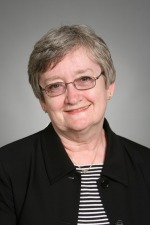
Linda F. Fitzgerald
By Linda F. Fitzgerald
AARP State President
Special to PRIME
Today, voters age 50 and older are dissatisfied and anxious. Across party lines, they worry about rising prices, health expenses, retirement security, and taxes. They also express some concerns about being able to find a full-time job with benefits, or keeping up with their mortgage or rent.
Sound familiar?
A recent AARP survey reveals that these economic issues will influence the decisions of voters age 50 and older in the 2012 elections. The particular pressures facing older voters are reflected in a new "anxiety index," that includes five distinct components, and extends well beyond the single issue of jobs. For older voters – retired and working – their top anxieties are:
1. Prices rising faster than income (75 percent).
2. Not having enough financial security in retirement (73 percent).
3. Having to pay too much in taxes (71 percent).
4. Not being able to retire when they want, for financial reasons (71 percent).
5. Having health expenses they cannot afford (62 percent).
While the issue of jobs is important to voters age 50 and older, the index reveals that any meaningful discussion of the economy during this year's election must include the future of Social Security and Medicare – because, for these older voters, "retirement security" and "economic security" are largely synon-ymous.
The bottom line is this – anxiety about retirement security is a major issue for all 50-plus voters. However, when we look at the index for those voters age 50 and older who are retired and those who are still working, some distinctions emerge.
Nearly 70 percent of retired voters worry about prices rising faster than their incomes, and almost half worry about health expenses they can't afford, despite the relative security provided by Medicare.
For non-retired voters age 50 and up, there is a general pessimism about retirement, in general. Almost three in four (72 percent) believe they will have to delay retirement, and almost two in three (65 percent) worry they won't have enough money to retire. Half of these voters do not think they will ever be able to retire. And, many (59 percent) believe the recent economic downturn will force them to rely more on Social Security and Medicare.
These extraordinary economic anxieties among voters age 50 and older have lead to a general dissatisfaction with political leaders. In particular, voters 50-plus are as likely to say that their personal economic circumstances were negatively affected by political gridlock in Washington as by the economic downturn. In fact, more than 80 percent disapprove of Congress.
The concerns of older voters highlight the importance of Social Security and Medicare as election issues. This group thinks the next president and Congress need to strengthen Social Security (91 percent) and Medicare (88percent). They also overwhelmingly (91percent) believe that these issues are too big for either party to fix alone, and will require Democrats and Republicans to come together.
Not surprisingly, across party lines, voters age 50 and older want more information on candidates' plans to strengthen Social Security and Medicare; they think the candidates have not done a good job of explaining these details. Moving forward, these voters say that getting more information on the candidates' plans for Social Security and Medicare will help determine their vote on Election Day.
As part of You've Earned a Say, AARP's national conversation about Medicare and Social Security, we have compiled non-partisan voters' guides for the Presidential race, the U.S. Senate race and all Congressional races in Massachusetts.
I encourage you to read these guides to find out where the candidates stand on Social Security, Medicare and financial security – and to see how they will address your anxieties.
Visit
aarp.org/ma to access the electronic voter's guide to races in your area.
Linda F. Fitzgerald is the volunteer state president of AARP Massachusetts, which represents more than 800,000 members age 50 and older in the Bay State. Visit AARP online at aarp.org/ma, www.facebook.com/AARPMA and www.twitter.com/AARPMA .