Preventive gardening care
Grow a healthy, productive and beautiful garden, while minimizing your long-term time and financial investment with a bit of preventative care.
Start by selecting the right plants for the growing conditions. Grow fruits, vegetables, and ornamental plants suited to the summer heat, winter cold, soil, moisture, and other growing conditions in your yard.
Water properly, based on the plants you are growing, current temperature, and type of soil.
Water properly based on the plants you are growing, current temperature and type of soil. New plantings need more frequent watering as do those growing in fast draining soils and hot weather. Established and drought tolerant plants and those growing in heavy soils and cooler temperatures require less frequent watering.
Always water thoroughly, moistening all the roots and surrounding soil, to encourage deep roots for more drought-tolerant plants. Preparing your plants for hot dry weather will increase their survival and allow you to manage an attractive garden, while conserving water or gardening with watering bans.
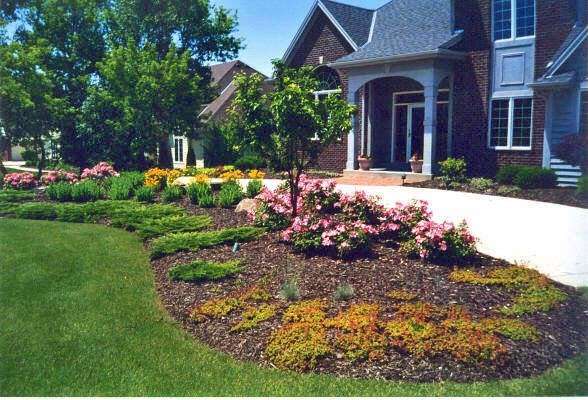
Once your plants are in the ground, mulch the soil. A one to two inch layer of shredded leaves, evergreen needles or other organic matter can help conserve moisture, keep roots cool in the heat of summer and improve the soil as they decompose.
Despite all your preparation, nature can be unpredictable and hard on you and your landscape. Consider employing the help of a plant strengthener, like Jaz spray, to immunize your plants against the stress of the growing season. Stronger plants are better able to tolerate environmental stress and defend themselves against pests.
Plant strengtheners are naturally-occurring molecules plants produce that enable them to survive and often thrive in difficult situations. Scientists were able to isolate the molecules and found that when applied back to the leaves or roots, the treated plants were better able to tolerate stress and fend off pests.
Continue to monitor your plants' health throughout the season and year round. If problems occur, it is much easier to control a few aphids than a much larger population that can quickly develop.
Consider eco-friendly methods for controlling insects and diseases when they occur. Handpick small populations of insects, remove and destroy infested plant parts, and if necessary, consider using natural more environmentally-friendly pesticides like insecticidal soap, Neem, and horticulture oils whenever possible. And, as always, be sure to select a product labeled for use on the pest and plant you will be treating.
So invest some time now for better results and greater savings over time.
Gardening expert, TV host and author Melinda Myers has 30 years of horticulture experience and has written over 20 gardening books, including Can't Miss Small Space Gardening. She hosts the nationally syndicated Melinda's Garden Moment segments which air on TV and radio stations throughout the U.S. She is a columnist and contributing editor for Birds & Blooms magazine, hosted "The Plant Doctor" radio program for over 20 years as well as Great Lakes Gardener on PBS. Melinda has a master's degree in horticulture, is a certified arborist and was a horticulture instructor with tenure. Myers' web site is
www.melindamyers.com.